

Online Therapy for MEdical & Dental Trauma in COLORADO
For adults who feel physically sick at the thought of sitting in a doctor’s office or dentist’s chair.
Between the doctors who dismissed your pain and the dentists who botched your restoration work, you’ve been feeling hopeless about trying again with a new set of providers. Therapy can help you rebuild a sense of safety in your body, advocate for your needs, and get the care you actually need without spiraling into panic and dread.

It’s time to stop the cycle of avoiding the care you need.
Even though avoidance has kept you safe from getting hurt by another provider, it’s also meant prolonging your suffering. This is a common experience for people who’ve experienced medical and dental trauma.
While others might chalk your anxiety up to a “fear of needles” or otherwise make light of your feelings, I know you’ve had experiences where your physical boundaries were crossed, your pain was minimized, and your trust in medical and dental providers was broken.
Somatic therapy helps you stop white-knuckling your way through appointments, process the traumatic memories keeping you stuck, and approach your healthcare with confidence instead of dread.
Medical and dental trauma can look like…
-

Canceling or rescheduling appointments at the last minute because of panic
-
Feeling like you can't breathe or speak up when you're in the chair or exam room
-
Carrying shame for "letting your health go" or needing extensive work done
-
Getting embarrassed for sweating, shaking, or crying during an appointment
-
Feeling like providers view you as difficult or dramatic when you're actually terrified
-
Mentally "checking out" or floating away during procedures just to survive them

Past providers taught you that medical and dental care aren’t safe, but they don’t get to have a say any longer.
Whether there’s imaging you know you’re overdue for, or a dental procedure you’ve been terrified to start the process for, it’s possible to get the care you need without becoming consumed by panic.
Therapy for medical and dental trauma gives you the tools you need to process the past, practice new tools for navigating appointments and procedures, and reclaim your sense of agency.
How to Start Online Therapy for Medical and Dental Trauma
-

Book Your Consult
We’ll chat for 15 minutes about your goals and my expertise to see if it makes sense to book a first session.
-

Your First Session
We’ll look at how trauma shows up in your day-to-day life and start imagining what you want your future to be like.
-

Get a Custom Plan
Based on our initial session, I’ll present you with a roadmap for how we’ll address the aftermath of trauma.
-

Rewire & Reclaim
We’ll meet at the same time each week and process the trauma so you can reclaim your autonomy.

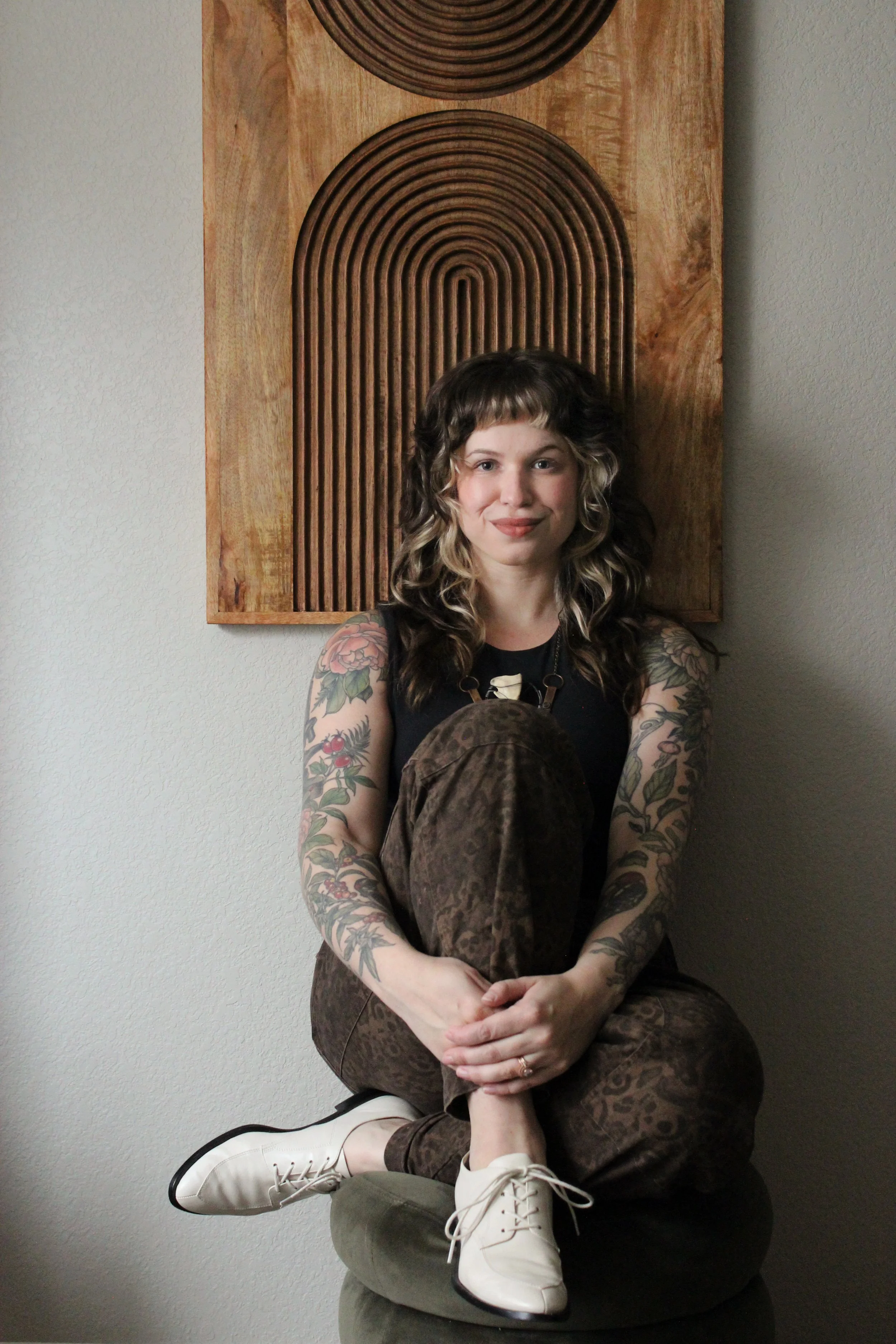
By the way, I’m Halle, an anxiety and trauma therapist in Colorado.
20 years ago, I was shot in the face at close range and was forced to embark on a years-long process of restoring the dental damage. I’m also a chronically ill person who’s navigated challenging experiences with my own providers in the healthcare system.
When I tell you I know how hard it is to get the care you need when you’ve had traumatic experiences with medical and dental providers, it’s because I’ve lived through it myself.
It’s also why I know that this can get better for you too.

Here’s what one of my colleagues wants you to know about me
“Halle is AMAZING! Every conversation we have, feels so calming to the central nervous system. Halle does an awesome job being kind, compassionate while gently challenging clients outside of their comfort zone to help them grow! ”
– Jenni Harris, LADC, LPCC
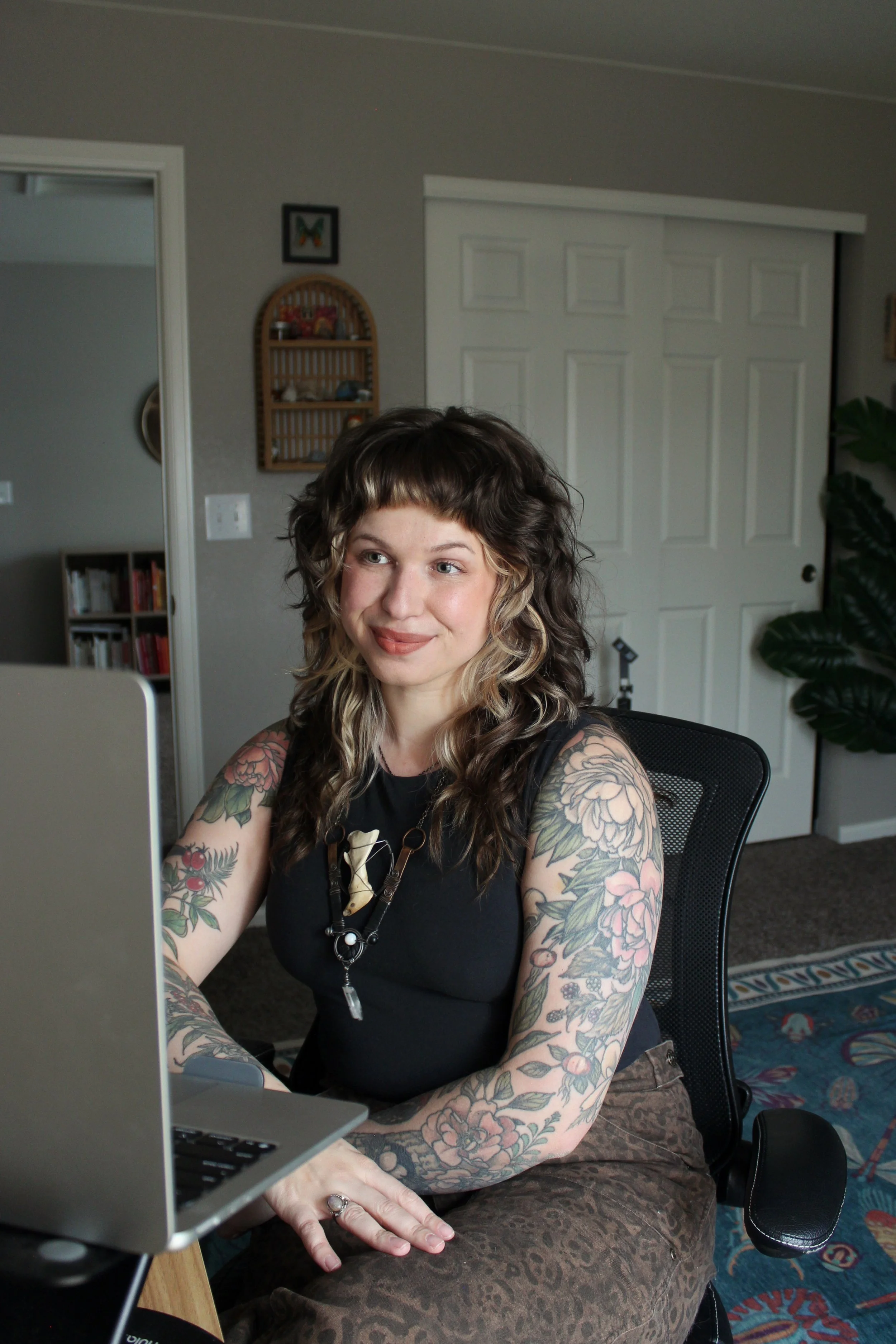




Here’s what to expect during your online therapy sessions:
I’ll join our video session with a minimum of 2 drinks in hand (one Stanley full of ice water and a mug of whatever herbal tea I’m currently obsessed with).
Instead of leaving you wondering what we’re going to talk about, if you’ll have enough to say, and if you can *really* share about the things you said, did, or believed to fit into your former religious community or spiritual group, we’ll start every session with a recap of the previous one and mapping out what we’ll be getting into next. You don’t have to worry about doing therapy “wrong” here.
My service dog (Odin) will likely make a cameo during our session too (and if you hear him snoring…sorry in advance).

Another colleague thinks this is important for you to know too
“Halle brings a unique blend of warmth and depth, helping clients work at the nervous system level to create real, lasting change. You feel supported, understood, and more connected to yourself in the process.”
– Sarah St. Martin, LCSW, RYT
We can work through your medical and dental trauma in weekly therapy or in a therapy intensive.

Weekly Therapy

We’ll meet each week and begin sorting through your trauma. Whether you’re getting ready to reestablish care with a new provider, or you’re getting caught up on routine procedures, you’ll be supported.
$250 per 50 minute session.
Therapy Intensives
A therapy intensive lasts half a day (4 hours) and includes a 1-hour follow up session the next week. Intensives are especially useful for heightened trauma symptoms leading up to a medical or dental procedure.
$1,550 per intensive.
A Note on Self-Pay Therapy
All fees are due at the time of service using your HSA/FSA, credit/debit card.Paying for therapy directly affords you more privacy and more choices for how you get support with your anxiety.
Instead of being given a mandatory diagnosis and cut off after the 10 sessions your insurance is willing to approve, self-pay therapy allows you to better understand yourself on (and in!) your own terms.
FAQs About Therapy for Medical and Dental Trauma in Colorado
-
Yes, I can provide a superbill for you to submit to your insurance for possible out-of-network reimbursement. If you have PPO benefits, your plan may reimburse a portion of the cost (usually between 20%-80%).
Because a superbill is a medical document, it does require me to include a diagnosis. We can talk through that together so you understand what that means and can make an informed decision.
A lot of clients choose private pay therapy because it gives them more privacy and more flexibility in the kind of work we do, rather than having treatment shaped by what insurance is willing to cover.
-
Not at all. If you have an urgent dental procedure or medical treatment coming up, we don’t need to resolve every layer of past trauma before you can go.
Instead, we’ll pivot to short-term prep which will include teaching you grounding techniques, creating a concrete communication plan for your appointment.
I’ll meet you wherever you’re at in your process. -
Absolutely not. Re-traumatizing you is the opposite of my goal. Because I use somatic approaches like Brainspotting and Parts Work (IFS), we don't need to dissect every painful or overwhelming detail of past medical or dental visits.
-
Yes! With your written permission, I can collaborate directly with your dentist or medical provider. We can create a brief "care plan" outlining your specific triggers, preferred communication style during procedures (e.g., explaining what they are doing before touching you), and when possible, explicit signals for taking a pause so your provider knows exactly how to support you.
It’s time to get the care you deserve, minus the panic.
I’m here to help you move past your fear of exam rooms and dentists’ chairs.
If you've made it this far, you might have a bit of a pit in your stomach just thinking about facing the depths of your medical and dental trauma. The good news is that you don’t have to do this work by yourself and we can ease into everything with a consultation call. I'll give you all the information you need to feel more settled before we start working together.