5 Reasons Why You Don’t Cry When Someone Dies
This post was last updated on July 27, 2026.
If you don’t cry when someone dies, you might worry there’s something wrong with you. You might even get stuck overthinking about whether you’re grieving incorrectly.
Let’s get one thing straight though: not crying when someone dies doesn’t mean that you’re not grieving. And once you understand some of the reasons why you haven’t cried after someone’s death, you’ll finally get that grief doesn’t have to look a certain way.
Why You Don’t Cry When Someone Dies
Reason 1: The death doesn’t feel real yet.
If the death happened recently, you may not have had time to let the reality of the death sink in. Part of you might be feeling like the person is going to give you a call, or that they’re going to walk in the front door at any moment. When someone dies, it can take time for your brain to process that the death has actually happened. It also takes time to adapt to changes in routine. For instance, if you were a caregiver, it can take time for both your mind and body to adjust to not going through various aspects of your caregiving responsibilities and duties. Similarly, it takes time to adjust to not seeing someone sitting in their usual chair each morning, or witnessing other aspects of their daily routine.
Sue Ryder, an organization that provides grief and bereavement support, estimates that it takes about a year for many people to even begin to recognize just how much has changed in their lives after someone dies. The Center for Disease Control and Prevention also acknowledges that grief impacts everyone differently and that it may take some time to adjust to the reality of a person’s death.
Reason 2: You haven’t had enough privacy to cry.
If you’re around other people most of the time, you likely haven’t had the chance to have any time for yourself. From planning for memorial services, to managing a person’s affairs, some people find themselves surprised by how little alone time they have after a person’s death. While some people feel comfortable crying in front of others, many people notice they tend to only cry when they’re alone. If you prefer to cry in private, that’s okay! There is no requirement for you to cry in front of other people.
That being said, having some time alone can be important. While being around other people can be supportive in many ways, sometimes the lack of privacy can hinder certain emotions from coming to the surface.
Reason 3: You’re not a crier.
Grief is a whole body experience. But what does that mean? It means that in addition to being an emotional experience, grief also affects you on a physical, social, and spiritual level as well. If you don’t cry when someone dies, your grief might be affecting you on one of the other levels. For instance, you might not be sleeping well, be having stomach problems or body aches, or be feeling disconnected from your family and friends.
Reason 4: Your family, culture, or religion expect you to not cry.
This is especially common if you’re based in the United States, where grief is treated as something to shove down and ignore. Depending on your gender, you also might have also received direct messages about crying being a sign of weakness (which isn’t true, btw). But pressure to be strong for your family, or to uphold the values from your specific culture, can prevent you from crying when someone dies.
If you grew up in a high-control religious environment where showing distress was framed as weakness, or a lack of faith, your nervous system also learned that crying carries a high cost. Unlearning that response requires more than just telling yourself that it’s okay to cry.
Reason 5: Your relief about the person’s death might outweigh your sadness.
And there are so many reasons why relief might be present! Maybe the person who died was suffering and all you wanted was for them to be out of pain. Their death might not inspire tears for you right now and that’s perfectly understandable.
You might also feel relief if the person who died is someone who caused a lot of pain and suffering. Instead of crying about this particular death, you might be sitting with some more complicated feelings.
4 Tips For What To Do If You Don’t Cry When Someone Dies
Tip 1: Get customized support in therapy.
Feeling anxious about the fact that you’re not crying after someone dies? I offer anxiety therapy in Colorado and anxiety counseling in Oregon. And if your grief has any tie in to your own religious upbringing, I also offer religious trauma therapy in Colorado and religious trauma therapy in Oregon as well.
All sessions are held via Telehealth, which means I can meet with you from wherever you happen to live in either state. To get started, book a free consultation call. It’ll give us a chance to chat and see if it makes sense for us to schedule an official session.
If you live in a state other than Colorado or Oregon and would like to attend therapy, I recommend using Melanin and Mental Health, Therapy Den (Verywell Mind notes that this is one of the top directories they endorse), or Inclusive Therapists to find a therapist who’s licensed to practice in the state you live in.
Tip 2: Learn about grief.
It can be helpful to learn about grief from those who have been there. By tapping into other people’s experiences of grief and loss, you might have the opportunity to recognize that you’re not alone in your experience.
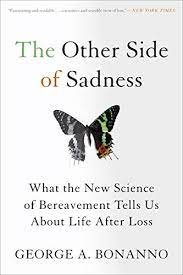
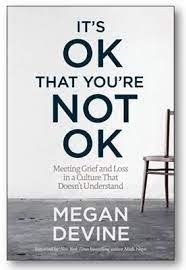
If you like to read or listen to audiobooks, I highly recommend the following books: It’s Okay That You’re Not Okay, The Other Side of Sadness, and Long Live the Tribe of Fatherless Girls.

Tip 3: Schedule some alone time.
See if you can find 5 minutes in your day to be by yourself. If you’re a busy person, this might look like sitting in your car for a few minutes when you come home from work. It could also look like going into a room where you can close the door behind you. Take a moment to breathe and to ask yourself how you’re doing- have you eaten enough that day? have you had any water? It might seem basic, but these self-check-ins can provide some information about whether your baseline needs are being met.
If you’re able to take more than 5 minutes for yourself, see if you can schedule a morning or evening to have some alone time. You might listen to this meditation on Honoring Grief, or you might let yourself be silent for a little while.
Tip 4: Join a support group.
The Option B Support Group is a great option for adults of all ages who want to connect with other grievers virtually. The group is associated with Option B, an organization inspired by Sheryl Sandberg and Adam Grant’s best-selling book of the same name.
Bonus Tip: Remember that crying is not superior to other forms of emotional expression.
It can be hard to push back against the unwritten rules of society, which dictate that a person must cry in order to signal to other people that they’re grieving properly. Crying isn’t superior though.
Crying is simply one way that emotions can be expressed. Challenge the voice in your head that says crying is the best or only way to show how you’re feeling.
There Is Nothing Wrong With You If You Don’t Cry When Someone Dies
Grief is not a one-size-fits-all process. It is as unique as each person’s death is. Some people are able to access their emotions with a high degree of clarity in the aftermath of a person’s death, while others may spend time distracting themselves from how they’re feeling.
If you’ve been worried about the fact that you don’t cry when someone dies, I hope you’re feeling reassured. Everyone grieves differently and the way you grieve is perfectly okay.
I’m also here to support you! If you live in Colorado or Oregon, reach out for a consultation call to learn more aout how 1:1 therapy can support you in your grieving process.

Hi! I’m Halle, an online Anxiety and Religious Trauma Therapist based in Colorado.
I work with high achievers and overthinkers, many of whom think they’re grieving the wrong way. You deserve to not feel anxious about how you’re grieving.
If you live in the states of Colorado or Oregon and want to work with me, contact me today for a consultation.