“Why Am I So Uptight?” - Common Causes & Solutions from a Licensed Therapist
This post was last updated on April 24, 2026.
When I talk with my own therapy clients, "uptight" is rarely the word a client uses first. Usually, they talk about a "buzzing" under their skin, a jaw that’s permanently clenched, or the absolute certainty they have that if they drop the ball (even once), life as they know it will fall apart.
What Does It Mean to Be Uptight?
Being uptight isn’t something you’ll find in the DSM, but it is something you might hear someone throw out as a criticism of another person, or you might have even used this word to describe yourself.
From a clinical perspective, being uptight is often your body’s way of trying to stay safe in a world that feels unpredictable. If you’ve spent years navigating systemic harm, high-pressure environments, or family dynamics where you had to be "the good one," “the responsible one,” or “the easy one,” your nervous system has likely forgotten how to downshift.
You’re not wound too tight because of a character flaw, but because your internal alarm system is stuck in the "on" position. Sometimes being uptight is code for struggling with hyperarousal, generalized anxiety, chronic stress, or hypervigilance.
Signs You Might Be Uptight
Here’s a quick list of questions you can reflect on to see if this matches your experience of yourself (or feedback you’ve received from other people):
Constant worry: Do you find yourself only picturing things going wrong?
Fear of failure: Does the fear of making a mistake hold you back from trying new things?
Need for order: Do you get upset in a way that feels like it doesn’t match the situation when something doesn’t go as planned?
Physical symptoms: Do you experience headaches, stomachaches, muscle tension, or sleep disruptions?
If any of this feels familiar to you, I’d recommend that you keep reading.
Is Being Uptight a Bad Thing?
On the surface, no. Being uptight isn’t a bad thing and you’re not a bad person for being this way. The reality is that everyone has a different baseline for anxiety, and some people simply have a higher baseline. That said, the reasons behind why you’re so uptight might be a little less savory. I’ll explain.
“But Why Am I So Uptight?” (The Intersection of Anxiety and Survival)
Reason #1: Unaddressed Anxiety is acting as a body guard
Anxiety gets mistaken for "worrying," but it’s more than that. It’s a full-body experience that can lead to feeling jumpy or tense for seemingly no reason. In reality however, that’s your fight-or-flight response scanning for threats. For my clients and other people who seek me out for therapy, especially those from BIPOC or LGBTQ+ communities, being uptight is often a form of hypervigilance.
Reason #2: Perfectionism, a Close Friend of Anxiety, Might Also Make You Feel Uptight
If you believe that being perfect (or doing things perfectly) is the only way to be worthy of love, safety, and care, it’s likely you’ll feel on edge most of the time. Perfectionism tells you that doing things at 110% is the bare minimum. While this might sound like a noble goal, it can set you up to feel like even minor mistakes are a threat to your safety.
Reason #3: The Illusion of control
When life feels chaotic, it’s common to try to make your external world more predictable. For some this looks like organizing and planing, but it can also look like obsessing.
As a therapist, I often talk with people about the false assumption that making life more predictable will lead to feeling safer. But true safety doesn't come from having a Google Calendar that tells you exactly what you’ll be doing for every hour of each day; it comes from learning how to trust yourself when things go wrong.
Reason #4 Trauma
No matter the “size” of your trauma, this is often a contributing factor to being uptight. Whether your trauma stems from an violent incident or a severe relational rupture, trauma leaves your system in a state of high alert, making it impossible for you to relax.
If you’re part of a group that experiences high rates of discrimination, this also increases your risk of experiencing trauma, which can feed into being uptight as well.
Reason #5 Burnout and Chronic stress
Working under late-stage capitalism leads many folks to experience harsh work cultures that demand more time, energy, and effort than you have to give. If you have additional responsibilities on top of work, like caring for children or other family members, your risk of burnout skyrockets.
Being under chronic stress is another risk factor for being on edge 24/7. Instead of being able to chill out every now and then, your body and mind remain in a state of tension.
How to Stop Being So Serious and Uptight
Traditional talk therapy often tries to use logic and reason to help you stop being so uptight. But you can't always think your way out of a physiological state.
This is why I prioritize somatic approaches like Brainspotting (aka body-based approaches)to help you stop outsourcing your safety. Brainspotting is one type of therapy that helps you stop looping on the story about why you’re uptight, and helps you process the actual emotions underneath your hypervigilance.
There are also some techniques you can try on your own to stop being so uptight 24/7.
Tip #1: Acknowledge Your Anxiety:
Sometimes the first step is to acknowledge that you are, in fact, anxious. At it’s best, anxiety helps to keep you safe. In situations where you’re uptight however, anxiety may be operating in overdrive, leading you to feel miserable more often than not.
Acknowledging your anxiety might sound like the last thing you want to do, but it’s actually the first step in bringing your anxiety down. By acknowledging your anxiety, you’re also giving yourself a permission slip to not shove it away. If you don’t know where to start, practicing these calming phrases can provide you with some ideas.
Tip #2 Challenge Perfectionism:
Where did you learn that you need to be perfect 24/7? Take some time to consider this question.
You may be surprised to learn that the drive to be perfect may have been passed to you from a parent, caregiver, coach, or in a high-control environment or strict religious upbringing where one wrong move meant shame or punishment.
You might have even grown up in a religion where you learned that perfection was essential for guaranteeing a specific experience in the afterlife. In other words, you’ve were taught that the stakes were high.
To stop being so serious and uptight, you may need to talk back to that voice in your head that says you’re not doing enough. You might also have to acknowledge that the ideas you were originally taught about perfection don’t apply to your present day life.
You might also benefit from working with a therapist who offers religious trauma therapy in Colorado and can help you safely unlearn the need to be perfect.
Tip #3 Try this noticing exercise right now
Notice your jaw. Is it clenched? Notice your shoulders. Are they up by your ears?
You don't have to "fix" it or force it to relax. Just notice it. This tension is your body’s way of trying to protect you from perceived disasters. In my sessions, we use these physical cues through combined with methods like Brainspotting to help your nervous system finally feel safe enough to release that grip.
After you’ve noticed where the tension is, you can intentionally clench these different parts of your body, and then intentionally relax them, even if it’s just for 5 seconds. This act of intentionally tightening up and then releasing gives your body the signal that a more relaxed state is possible.
Bonus tip: Say “no” to doing things that aren’t 100% necessary
If you’re uptight, chances are you feel like you’re under a lot of pressure at work, at home, and in your relationships at large. To release some of this pressure, practice saying “no” to small things that aren’t absolutely required of you (even if you feel like they are).
Can Therapy Help You Stop Being a So Uptight?
If being uptight is leading to headaches, digestive issues, or making it hard to experience joy, it might be time for a deeper dive. You don't have to keep muscling your way through this.
I offer Brainspotting Intensives online to adults based in Colorado or Oregon. These intensives are designed to help high achievers process deep-seated tension in a focused, high-touch format. Let’s move you from managing your anxiety to actually living a life where anxiety doest dictate your every move.
“Can an Intensive help me finally relax?”
Many of my clients find that 50 minutes once a week isn't enough to crack the code to their chronic tension. Brainspotting Intensives allow us to go deep into the part of your brain responsible for processing feelings without the stop-and-start of traditional sessions.
And if you have questions about what to look for in an anxiety therapist before booking, that’s absolutely normal! It’s also what a free consultation call is for—so you can ask questions before committing to a first session.
If you live somewhere other than Colorado or Oregon, you’ll need to look for a therapist who’s licensed to practice where you currently live.
TL;DR
Feeling "uptight" is often a physiological survival mechanism aka a form of hypervigilance where your nervous system is "outsourcing” its safety to control and perfectionism. For high achievers, this tension isn't just a personality trait, but a protective response to anxiety or trauma that can be processed through somatic approaches like Brainspotting.

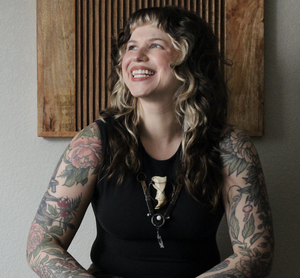
Hi! I’m Halle Thomas, LPC.
I’m an anxiety therapist in Longmont, Colorado, but I work with clients across the states of both Colorado and Oregon. You can work with me in either 1:1 weekly therapy, or in a therapy intensive.
If you live in either Colorado or Oregon, I’d love to work with you.
Disclaimer: This post is for psychoeducational purposes only and does not constitute a therapeutic relationship or medical diagnosis.