Anxiety Therapy in Longmont: What to Know Before You Book

If you’re looking for anxiety therapy in Longmont, you might not know what kind of therapist will actually be the most helpful for you.

And if your anxiety doesn’t look obvious from the outside and you’re used to being hyper-responsible, you might even be worried that a therapist won’t take your struggles seriously.

Knowing what to look for before you book a first therapy session will help you find the best fit for your needs.

1. Look for a therapist who understands the kind of anxiety that hides behind “having it together”

In my own practice, the adults I work with don’t look chaotic or unstable. In fact, they look incredibly put together, on top of everything, and highly capable. 

They are often high-functioning, self-aware, and deeply used to carrying pressure from their family, culture, and their community too. It’s a big factor in why they replay conversations, second-guess decisions, feel guilty for having needs, and question themselves before they question the expectations around them.

When you’re looking for anxiety therapy in Longmont, pay attention to how the therapist talks about anxiety on their website or social media. Are they talking about general anxiety symptoms that look obvious to other people? Or are they talking about the kind of anxiety that often hides in plain sight?

You want to work with someone who won’t misunderstand your experience.

2. Look for someone who speaks to the deeper patterns underneath your anxiety, not just the symptoms

Some therapists talk about anxiety in a very surface-level way. It’s part of what leads to people being disappointed when they finally reach out for help, only to be handed a worksheet with tips for breathing exercises that their therapist didn’t even explain to them. 

And while trauma-informed breathwork can be useful for many, anxiety management tips that are given without consideration of your unique needs can miss the mark. Plus, if your anxiety is tied to people-pleasing, family pressure, perfectionism, or always feeling responsible for everyone else, you need support that goes deeper than symptom management.

A therapist who’s the right fit for you can help you understand things like:

  • why you default to overthinking

  • why your needs feel so hard to name

  • why disappointing other people feels so loaded

  • why you keep abandoning yourself even when part of you knows something is off

And they’ll also be able to support you with changing the patterns around these experiences so your anxiety doesn’t dictate your every move.

3. Look for a therapist who feels approachable and who can provide structure

If you tend to overthink, it can be frustrating to work with a therapist who doesn’t offer a clear structure to each session. In fact, this dynamic can lend itself to you feeling uncertain about what to even bring up in therapy.

A therapist who’s the right fit for you will be able to explain their process for supporting you with your anxiety, while also providing a structure for each session. This is a great sign that the therapist you’ve chosen is grounded in their approach, is able to explain how they work in a clear way, and that they’ll support you with moving toward a life where anxiety isn’t at the forefront of every moment.

5. Don’t underestimate virtual therapy for anxiety

For a lot of people, virtual therapy for anxiety feels more comfortable than expected.

And some of that is because when you take out the commuting and concerns about being late to an appointment, you have space to settle into your own space and focus on what you need from each session.

In my own practice, I’ve seen online therapy for anxiety be a particularly good fit if:

  • You’re chronically ill and online sessions make therapy more accessible

  • Commuting adds more stress to your week

  • You want therapy to feel even more private and convenient

  • You know you’re more likely to show up regularly if therapy fits easily into your routine

6. Pay attention to whether the therapist helps you feel understood before you even book

A therapist’s website shouldn’t leave you more confused. In fact, reading a therapist’s website should feel like you’re reading about yourself.

As you look through different therapists’ websites, ask yourself:

  • Is their description of anxiety specific to my situation, or generic?

  • Do they sound like someone who can actually help me?

  • Can I imagine myself reaching out?

One of the earliest signs that you may have found your match is when you’re reading their website and it feels like they’ve somehow been reading your texts because they’re that specific in how they describe who they work with and how they help.

7. You don’t need to wait until things get worse

You don’t need to have a full blown breakdown before going to therapy. If anxiety is affecting your sleep, relationships, confidence, work, or ability to trust yourself, it’s already taking so much from you and it doesn’t need to take even more.

In fact, starting therapy before you’re in crisis allows you to maximize the benefits of therapy.

Ready to take the next step?

If you’re tired of overthinking, second-guessing yourself, and feeling pulled between your own needs and familial or cultural expectations, therapy can help.

I work with adults who want more than symptom relief and who want to understand the deeper patterns keeping them stuck. I’d be honored to support you with feeling more grounded in yourself so you can stop the cycle of overthinking and actually get your needs met.

To get started, schedule a free consultation call. You don’t need to have the perfect words to describe your experience. All you need to do is show up and I’ll guide you through the process.

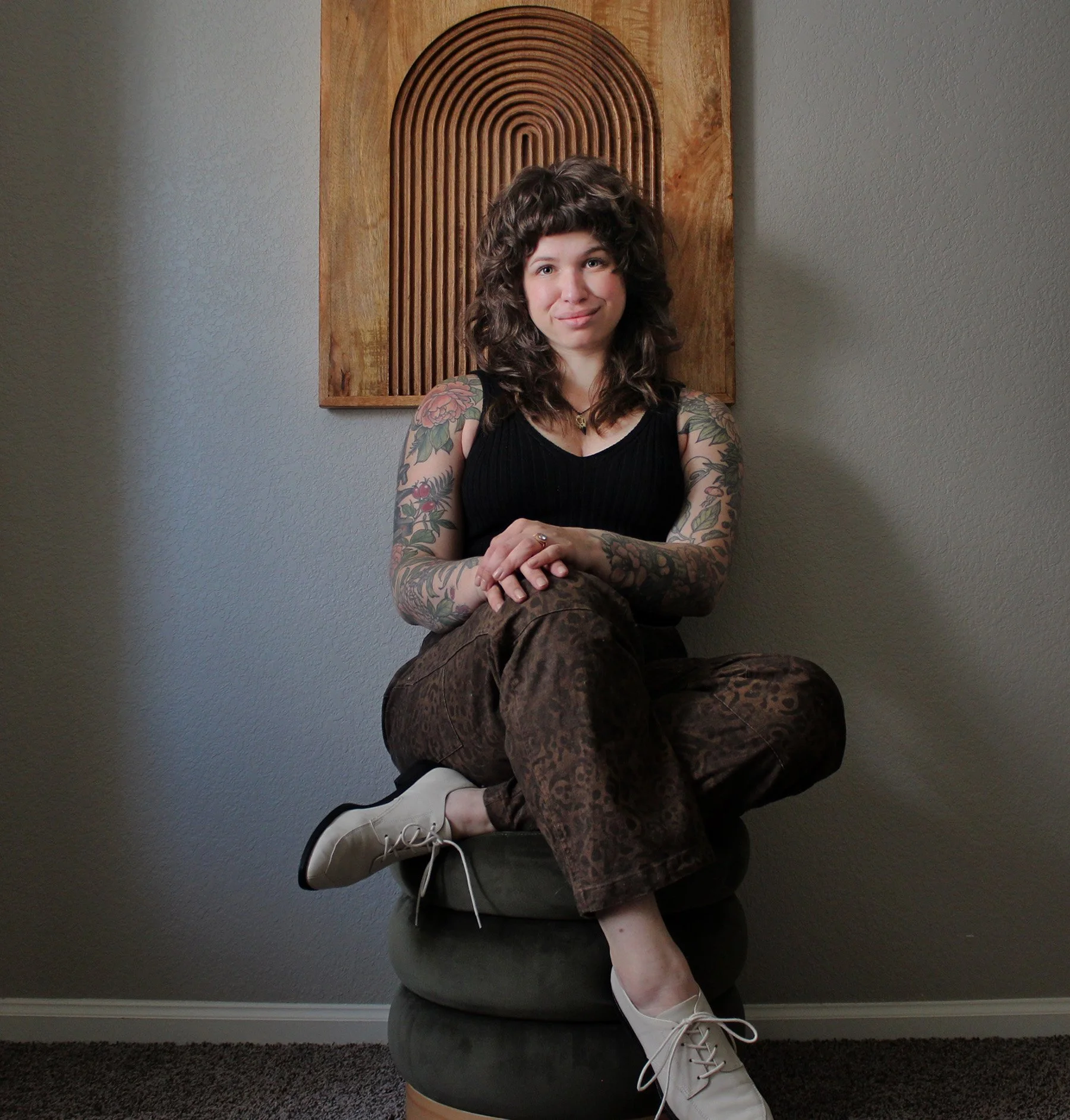
Hi! I’m Halle, an anxiety therapist based in Longmont.

But I serve all of Colorado (and Oregon!) through virtual sessions.

I support adults who feel torn between other people’s expectations and the lives they really want to live.

Next
Next

5 Signs Pressure From Family is Affecting Your Decisions