
Why Your LGBTQ+ Therapist in Denver Needs to Be More Than Affirming
Reviewed By: Halle Thomas, LPC
TL;DR: Being an LGBTQ+ therapist in Denver requires more than a rainbow sticker; it requires a vocal, value-driven commitment to liberation. It’s time to move beyond performative safety and toward somatic healing that helps you get rid of the pressure to perform your identity
In Denver, the Pride flag is everywhere. It’s on the windows of coffee shops, bookstores, and frequently the websites of therapists. But in the current 2026 political climate, many of my clients are finding that a signal of safety doesn’t guarantee that the person behind the rainbow flag is taking action to create safety.
As a queer therapist in private practice who works with other LGBTQ+ folks, I believe that therapy is most effective for people under the LGBTQ+ umbrella when we go one step further than affirmation and explore liberation.
The Denver Paradox: Signal vs. Action
Denver is often touted as a safe haven, but that reputation tends to miss the fact that perceived safety varies depending on where you are in the city. It’s part of why you sometimes feel hypervigilant walking into a medical office or a new social space, even though you know you live in a so-called progressive area.
If you’ve started to wonder if you’re actually the problem, you’re not!
In my practice, I’ve seen that performative safety isn’t enough. You shouldn't have to guess my values or wonder if you’re going to experience any form of queerphobia from me. I’m vocal about them because you deserve to know exactly where your therapist stands.
I also believe that safety isn’t static. It’s something that has to be co-created over and over again, especially in therapy where we’re often discussing and processing the most vulnerable aspects of your lived experience.
Moving from Tolerance to Liberation
There is a massive clinical difference between a therapist who tolerates your identity and one who celebrates it.
Tolerance says: "I may not understand or agree, but you have the right to exist."
Affirmation says: "Your identity is valid, and I see you."
Liberation says: "Your identity is a source of wisdom and worth celebrating. Let’s dismantle the systems that told you otherwise."
I fully believe that liberation is the goal. When we move toward liberation, we stop trying to fit into the boxes society (or even the queer community) has built for us.
The Somatic Weight of Minority Stress
Minority stress is felt both mentally and physically. When working with clients in Brainspotting or somatic therapy, we often find that the body keeps a ledger on how safe it truly feels.
Common physical symptoms of LGBTQ+ stress I see in my practice include:
Tightness in the throat: The physical manifestation of all the ways you’ve been silenced
Chest constriction: Bracing for impact (both emotional and physical
Tachycardia (Racing Heart): Especially prevalent when entering medical or institutional spaces where your identity has historically been pathologized.
By using Brainspotting, we don't just talk about these feelings, but process them at the subcortical level in your brain, allowing your nervous system to finally down-regulate and find actual, felt safety.
Breaking the Performance Trap
Many high-achieving LGBTQ+ folks feel a secondary pressure: the need to perform their queerness "correctly."
Do I look edgy enough?
Am I "androgynous enough" to be validly non-binary?
Am I a "good enough" representative for my community?
In addition to this being a survival mechanism, it’s also a way of outsourcing safety by trying to meet the expectations of others. But performing for a progressive crowd is still a cage.
In my therapy practice, I guide my clients through Parts Work to identify that "performer" and help you return to your authentic self. Because your authentic self is the one that knows they don't need to look, act, or be any specific way to be worthy of care.
If you’re noticing these patterns...
And you're ready to move beyond just "getting by" in a world that asks you to perform, I’m here to help. Whether you’re seeking weekly therapy or a Brainspotting Intensive, we can work together to build a life that feels authentic to you.
Citations
Chiles v. Salazar (Supreme Court Decision, March 31, 2026):The Trevor Project: What you need to know about the SCOTUS case on conversion therapy
Impact on LGBTQ+ Youth & Mental Health:ACS Expert Forum: The Court's Conversion Therapy Decision A deep dive into why this legal shift has increased hypervigilance and the need for explicitly affirming providers.
FAQs about LGBTQ+ Therapy in Denver
-
While Denver is a safe haven on paper, many clients find that rainbow-washing is common. Finding a therapist who moves beyond performative safety into vocal, value-driven liberation is key to feeling truly seen.
-
Affirming therapy validates that your identity is real and okay. Liberating therapy goes further and explores how systemic harm and "performing" identity impact your mental health, helping you reclaim your authentic self.
-
Minority stress often shows up as somatic symptoms: a tight throat, chest constriction, or a racing heart in medical spaces. These are some of the physical symptoms of living in a world that doesn't always feel safe.
-
Yes. Brainspotting helps to bypass the part of the brain responsible for thinking and logic to process deep-seated trauma and hypervigilance.
-
Absolutely not. Many high-achieving clients feel pressure to "perform" their queerness correctly. My practice focuses on helping you drop the mask and exit the boxes society has built for you.
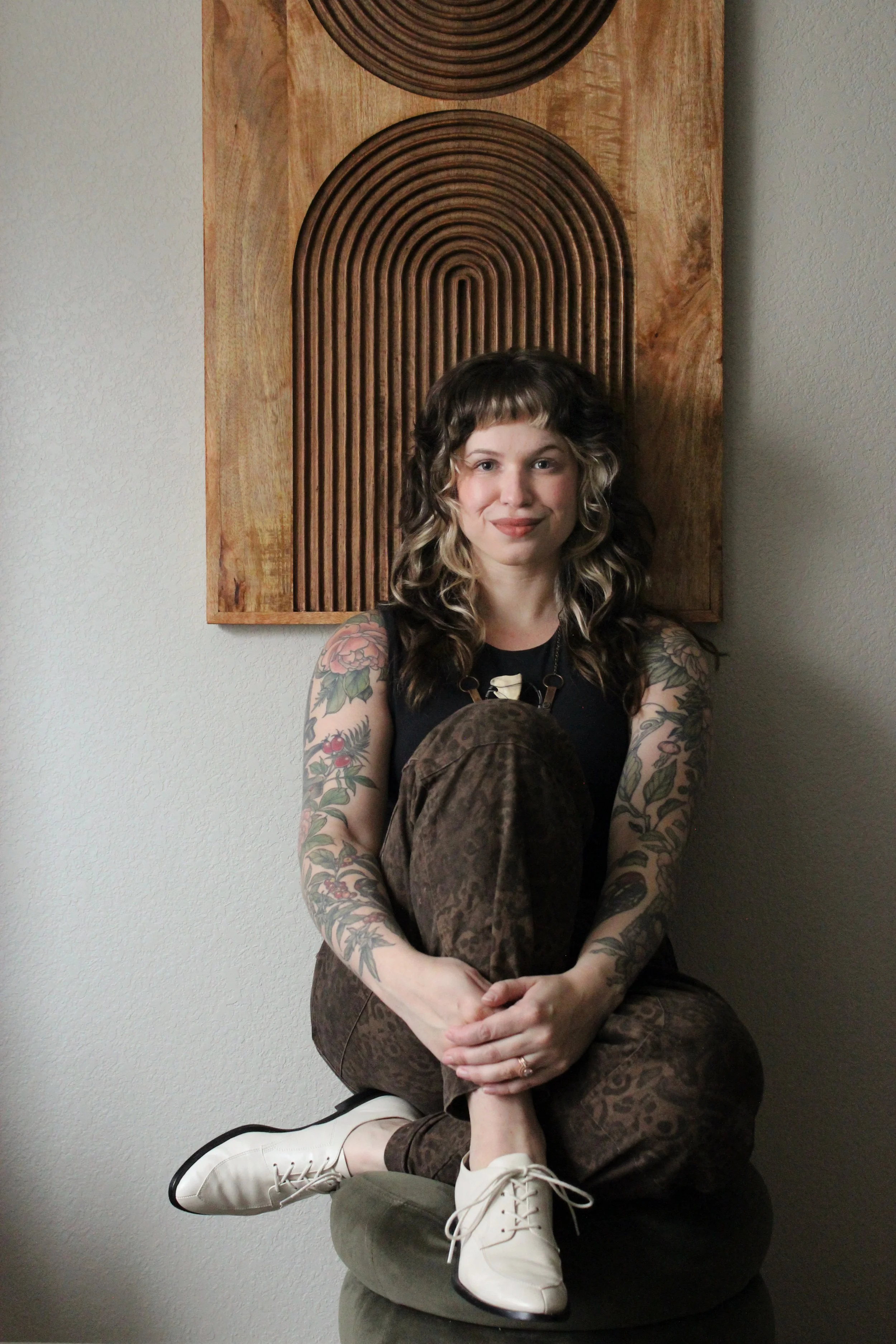
Hey there! I’m Halle, a queer therapist serving Denver, Colorado.
Telehealth services are available across all of Colorado and Oregon too!
I support adults who feel torn between other people’s expectations and the lives they really want to live.
